Importance of Wood Chipper Machines in the Paper Industry
The paper industry depends heavily on efficient raw material processing to maintain consistent production and product quality. One of the most important machines used in this process is the wood chipper machine. Wood chippers play a crucial role in converting large pieces of wood into small, uniform chips that are suitable for pulp production. Without proper wood chipping, the paper manufacturing process would become slow, inefficient, and costly.
Modern paper mills rely on advanced wood chipper machines to ensure a continuous and efficient supply of raw materials. These machines are designed to handle logs, branches, and wood waste and convert them into evenly sized chips that can be easily processed in pulping machines. By improving the preparation of raw materials, wood chipper machines help enhance the overall productivity of the paper manufacturing industry.
What is a Wood Chipper Machine?
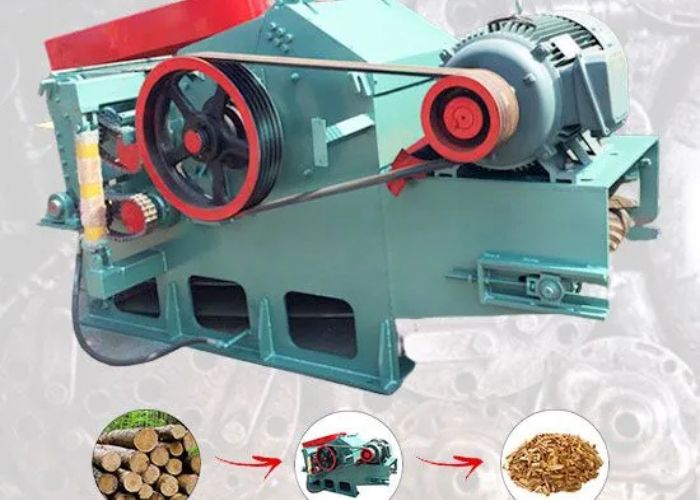
A wood chipper machine is an industrial machine used to cut wood into small pieces called wood chips. These chips are used as raw material in various industries, especially in the pulp and paper manufacturing sector. The machine typically uses sharp rotating blades or drums to break down large pieces of wood into smaller, manageable sizes.
In the paper industry, the size and quality of wood chips are extremely important. Uniform chips ensure better fiber separation during the pulping process and help maintain the quality of the final paper product. This is why paper mills use high-quality wood chippers to prepare their raw materials efficiently.
Role of Wood Chipper Machines in Paper Production
Wood chipper machines are essential in the first stage of the paper production process. Before wood can be converted into pulp, it must first be reduced into small chips. These chips allow chemicals and water to penetrate the fibers more effectively during the pulping process.
When wood chips are uniform in size, the pulping process becomes more efficient. The chemicals used in pulping can break down the lignin and separate the fibers more evenly. This results in higher-quality pulp, which ultimately improves the strength, smoothness, and durability of the paper.
Without proper wood chipping, the pulp production process may face difficulties such as uneven fiber separation, higher energy consumption, and lower production efficiency.
How Wood Chipper Machines Work
Wood chipper machines operate using powerful rotating blades that cut wood into small chips. Logs or wood waste are fed into the machine through a feeding system, where they come into contact with sharp cutting blades mounted on a rotating drum or disc.
As the blades rotate at high speed, they slice the wood into small pieces of uniform size. These wood chips are then collected and transported to the next stage of production, where they are processed into pulp.
Modern wood chipper machines are equipped with automated feeding systems, safety mechanisms, and adjustable blade settings. These features allow operators to control the size and quality of the chips, ensuring optimal performance in the paper production process.
Benefits of Wood Chipper Machines in the Paper Industry
- Improved Production Efficiency: Wood chipper machines help paper mills process raw materials quickly and efficiently. By converting logs into chips rapidly, they ensure a continuous supply of material for pulp production.
- Uniform Chip Size: Uniform wood chips improve the effectiveness of the pulping process. When chips are consistent in size, the chemicals used during pulping can penetrate the wood fibers evenly, resulting in better-quality pulp.
- Reduced Waste: Wood chippers allow paper mills to utilize wood waste such as branches, small logs, and leftover timber. This helps reduce raw material waste and improves resource utilization.
- Lower Production Costs: By improving raw material preparation and reducing waste, wood chipper machines help lower overall production costs. Efficient machines also reduce labor requirements and energy consumption.
- Increased Machine Productivity: Modern wood chippers operate at high speed and can process large volumes of wood in a short time. This helps paper mills maintain high productivity and meet increasing market demand.
Importance of High-Quality Wood Chips
The quality of wood chips directly affects the quality of pulp and paper. Poorly processed chips can cause problems during the pulping process, such as incomplete fiber separation and uneven pulp quality.
High-quality wood chips should have consistent size, minimal dust, and low moisture content. Modern wood chipper machines are designed to produce chips that meet these quality standards, ensuring smooth pulp production.
By maintaining high chip quality, paper manufacturers can improve the strength, durability, and surface quality of their paper products.